Happy Soaring’s training method
Everyone starts with the wing.
We start with the pilot.
First we make the pilot automatic. Then we add the wing.
Two approaches
Conventional approach
The student starts out with a wing already in hand, having to learn the body movements and the wing’s responses at the same time.
SmartGround
First we work on the pilot’s responses. Then we introduce the energy and the wing, step by step.
The backbone of the method
Five stages.
The Parakite only arrives in the fifth.
It starts before the student touches a wing and stays with them until they fly.
understand→memorise→automate→add energy→Parakite
- Prepare the pilot
- Add energy
- Parakite
-
01
SmartGround document
The student learns techniques, positions and movements — and a shared vocabulary with the instructor. From here on, when the instructor names something, both mean the same thing.
-
02
Muscle memory
Training without a wing. Repeating the positions and the body’s movements. Some exercises are done with the eyes closed, to build muscle memory and body awareness.
-
03
Quick Response Game
The instructor calls out the name of a position; the student answers with the right movement. The goal is to shorten the time between the cue and the response, session after session.
-
04
Mini-wing training
Wings of 8, 10 and 12 m², in moderate to strong wind when conditions allow. The energy of a wing enters movements that are already learned.
-
05
Parakite training
Only now does the Parakite come in. The student is no longer starting from zero: they know the positions, the movements, how to use the body and how to respond.
Why this matters
During an inflation, the wing generates a lot of energy in very little time.
A Parakite can be flown in strong wind. And when that energy arrives, there is no time left to work out what to do.
Already fly a paraglider?
Your experience is an advantage — but a Parakite calls for new responses. Energy, brake input, inflation and the use of the body all behave differently. SmartGround helps you make that transition in a structured way.
The SmartGround principle
We build the response before it is needed.
Who developed the method
Paulo Pereira
Twenty-three years of flying, the last four devoted to the parakite — many hours across several wings. SmartGround came out of that.
The wing used on the course
A wing to learn on.
A wing to grow with.
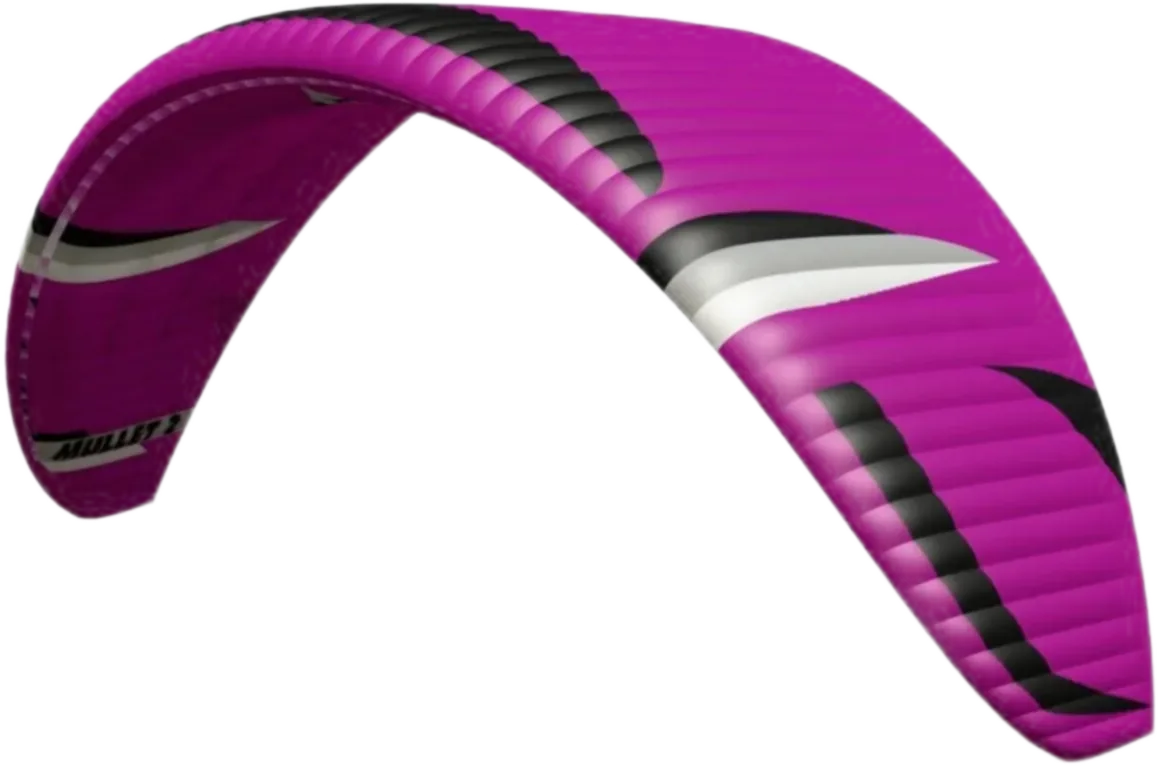
The Parakite Course is flown on the Mullet 2 — not just easy for the first exercises, but with room to keep progressing after the course ends.